The breathlessness was overwhelming. Standing in that small, dark cell, surrounded by nothing but three concrete walls, a dank toilet, a small sink, a thin mattress, a concrete slab and a perforated metal door that barely let any air in, the oppressive claustrophobia was hard to control.
This was not the first time I had set foot in a US prison, but it was the first time I had experienced what an isolation cell can do to you.
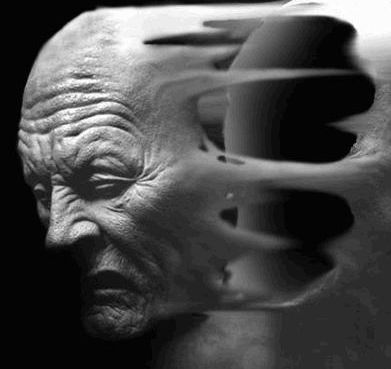
Everything about that room – the lack of windows, or natural light, or fresh air, the very thought of not being allowed any human interaction – seems to be designed to dehumanise. The basic penal concept of reform and social rehabilitation is excluded inside those three walls.
In solitary, punishment is king. The mere thought of spending more than a few minutes in that place was almost unbearable.
And then, a prisoner told me and my colleague that we were the first outsiders he had seen in 22 years.
I was surprised even to be allowed into California’s infamous Pelican Bay Prison. Correctional authorities across the US are unwilling to allow anyone to see what happens behind those thick concrete walls. And with evidence that has emerged – from Pennsylvania to Arizona, of voices crying for help – it’s no wonder. Across the US, it is estimated that nearly 80,000 people are held in long-term isolation
The authorities describe the system as “secure housing units”, “administrative segregation” and even “restricted housing.” But these euphemisms do not describe the human reality of these units.
The departments of corrections claim only prisoners who are a threat to guards or to other inmates are placed in isolation, after all other measures to control them fail. But as indicated by the tens of thousands detained, isolation cells are routinely used as punishment for minor offences such as disrespecting a prison guard or disobeying an order. In California, for example, suspected gang members can be placed in those dimly lit cells, just for having a calendar with Mayan symbols, or certain tattoos, or for being in the possession of books or other “source items” – or just for speaking to a “validated” inmate.
America’s prison isolation regime is not unusual, but it is cruel. Prisoners across the country are effectively entombed for nearly 22 hours a day in their cells, with no access to any education or rehabilitation programmes, with warehousing for the mentally ill in Arizona, with a man in Louisana who has been held in solitary since 1972. Prisoners must take their meals in the confines of those walls and are rarely given a chance to have any meaningful interaction with another human being. At all.
Source: The Guardian, Tessa Murphy, Amnesty International, October 13, 2014